
Building a custom home is one of the most exciting projects a homeowner can take on. Unlike buying an existing house, a custom home gives you the opportunity to design a home around your family, your lifestyle, your land, and your long-term goals.
However, getting started can feel overwhelming. There are a lot of decisions to make before construction ever begins. The good news is that a well-planned process can make the project smoother, more organized, and more enjoyable from start to finish.
Here are the first steps to take when you are interested in building a custom home.
1. Start With Your Vision
Before contacting a builder, take some time to think about what you want your home to accomplish. A custom home should be more than just a floor plan. It should fit the way you live.
Think about questions such as:
What size home do you need?
How many bedrooms and bathrooms do you want?
Do you need a home office, game room, shop, garage, or outdoor living space?
Do you prefer an open floor plan or more separated rooms?
Do you want a one-story or two-story home?
What style of home do you like?
At this stage, you do not have to know every detail. The goal is to begin forming a clear picture of what matters most to you.
2. Determine Your Budget
One of the most important early steps is deciding on a realistic budget. Your budget will guide the size of the home, the level of finishes, the design, and the overall scope of the project.
When planning your budget, remember that the cost of building a custom home is not just the house itself. You may also need to account for land, site preparation, utilities, driveway work, septic or sewer, water well or water service, permits, design costs, engineering, dirt work, drainage, fencing, landscaping, and other improvements.
It is also wise to include a contingency amount for unexpected costs or changes along the way.
3. Choose the Right Property
If you already own land, the next step is to determine whether the property is ready for construction. If you have not purchased land yet, it is important to involve a builder early so you can better understand what it may take to build on a specific site.
Not all land is the same. Some properties may require additional work before construction can begin, such as clearing, grading, utility installation, culverts, drainage improvements, or soil testing.
A beautiful piece of land can still create challenges if access, elevation, utilities, or restrictions are not considered early.
4. Understand Restrictions and Requirements
Before designing your home, find out what rules may apply to the property. Depending on the location, there may be deed restrictions, subdivision requirements, HOA rules, city or county regulations, utility requirements, setback rules, floodplain concerns, or permitting requirements.
These items can affect where the home can be placed, how large it can be, what exterior materials may be used, and what other structures can be built.
Understanding these requirements early helps prevent costly changes later.
5. Gather Inspiration
Photos, sketches, floor plans, and design ideas are very helpful when starting a custom home project. Save examples of homes, kitchens, bathrooms, porches, roof styles, exterior finishes, cabinets, flooring, lighting, and trim details that you like.
You do not need to copy another home exactly. Inspiration photos simply help your builder and designer understand your style, preferences, and expectations.
It is also helpful to make two lists: one for must-have items and one for wish-list items. This makes it easier to prioritize decisions when working within a budget.
6. Meet With a Builder Early
Many people wait until they have complete plans before talking to a builder, but involving a builder early can be a major advantage. A builder can help you understand construction costs, site concerns, material options, realistic timelines, and possible challenges before the design is finalized.
Early conversations with a builder can also help prevent designing a home that does not fit your budget.
A good builder will walk through your goals, review the land, discuss your budget, explain the construction process, and help you understand what steps need to happen next.
7. Develop a Preliminary Plan
Once your goals, budget, and property conditions are understood, the next step is to develop a preliminary plan. This may include a rough floor plan, square footage target, exterior style, room layout, garage placement, porch layout, and general construction approach.
This is the stage where ideas begin turning into a buildable concept.
The preliminary plan does not have to be perfect at first. It will usually go through revisions as you balance design, budget, function, and site conditions.
8. Work Toward Construction Plans and Specifications
After the basic design is approved, the project will need more detailed construction plans and specifications. These documents help define exactly what is being built.
Plans typically show the layout, elevations, foundation, framing, roof design, electrical layout, plumbing locations, and other structural details.
Specifications help clarify materials and finishes, such as windows, doors, roofing, siding, cabinets, countertops, flooring, fixtures, paint, trim, and hardware.
The more detailed the plans and specifications are, the more accurate the estimate can be.
9. Review the Estimate Carefully
Once plans and specifications are developed, your builder can prepare a construction estimate. This should be reviewed carefully so you understand what is included and what is not included.
A custom home estimate may include allowances for certain items, such as flooring, lighting, appliances, plumbing fixtures, or cabinets. Allowances should be realistic and clearly explained.
Before moving forward, ask questions about site work, utility connections, material selections, change orders, payment schedule, timeline, and warranty information.
Clear expectations on the front end help avoid confusion during construction.
10. Make Selections Before Construction Begins
One of the best ways to keep a custom home project moving smoothly is to make as many selections as possible before construction starts.
This includes exterior materials, windows, doors, roofing, paint colors, flooring, cabinets, countertops, plumbing fixtures, lighting, tile, appliances, and hardware.
Waiting too long to choose materials can cause delays, especially if items have long lead times or are special order.
11. Prepare for the Construction Process
Once plans, pricing, selections, permits, and scheduling are complete, construction can begin. Building a custom home is a step-by-step process that includes site preparation, foundation, framing, rough-in plumbing and electrical, HVAC, insulation, drywall, exterior finishes, interior finishes, final inspections, and punch list work.
During construction, regular communication is important. Questions will come up, decisions may need to be made, and changes may be requested.
A strong builder-homeowner relationship is built on clear communication, realistic expectations, and trust.
12. Plan for Changes the Right Way
Changes are common during custom home construction, but they should be handled properly. Any change to the original scope should be documented in writing, including the cost difference and any impact on the schedule.
This protects both the homeowner and the builder and helps keep the project organized.
Final Thoughts
Building a custom home is a major investment, but it can also be one of the most rewarding projects you will ever complete. The key is to start with a clear plan, understand your budget, choose the right property, and work with a builder who can guide you through the process.
A successful custom home starts long before the first board is cut or the foundation is poured. It begins with good planning, honest communication, and a team that understands your vision.
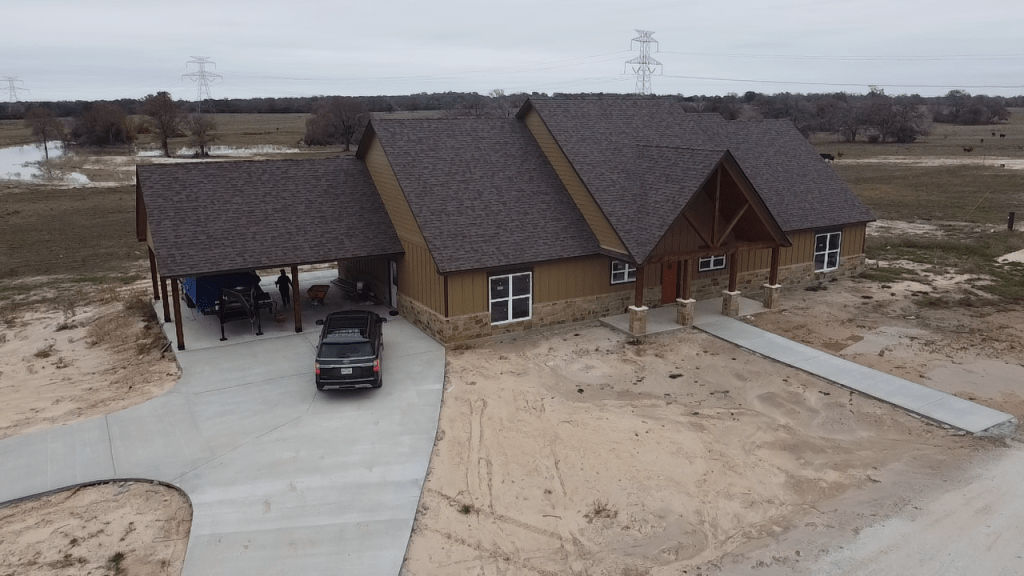
At Double J Construction and Roofing, we help homeowners take their custom home ideas from the early planning stage to a finished home built with quality, care, and attention to detail.
 Double J Construction & Roofing
Leave a comment