
When considering the energy efficiency of your home, the color of your roof might not be the first thing that comes to mind. However, it plays a crucial role in the overall energy efficiency and comfort of your living space. In this article, we’ll explore why lighter-colored roofs are often a better choice for homeowners looking to reduce energy consumption and save on utility bills.
Understanding Roof Color and Energy Efficiency
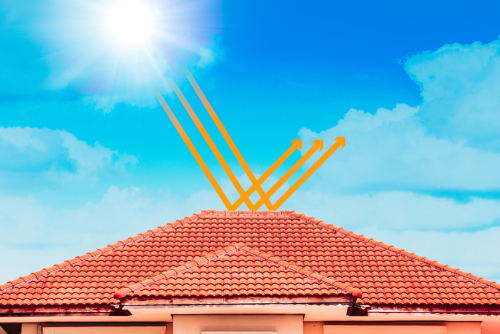
Roof color affects how much heat is absorbed or reflected by the surface. Darker colors absorb more sunlight, converting it into heat, which can increase the temperature of your attic and, subsequently, your entire home. In contrast, lighter-colored roofs reflect more sunlight, reducing the amount of heat that enters your home.
Benefits of Lighter Colored Roofs
- Reduced Cooling Costs: Lighter roofs reflect a significant portion of the sun’s rays, meaning less heat is transferred into the home. This can lead to a cooler indoor environment and reduce the need for air conditioning, particularly during the hot summer months. Homeowners can enjoy noticeable reductions in their energy bills.
- Improved Comfort Levels: By minimizing heat absorption, lighter roofs help maintain a more consistent indoor temperature. This can be especially beneficial in regions with hot climates, where excessive heat can make living spaces uncomfortable.
- Extended Roof Lifespan: Heat absorption can cause roofing materials to degrade more quickly. Lighter roofs experience less thermal expansion and contraction, which can extend the lifespan of the roofing materials and reduce maintenance costs over time.
- Environmental Impact: By lowering the demand for air conditioning, lighter roofs contribute to reduced greenhouse gas emissions. This can be a significant step towards a more sustainable and environmentally friendly home.
- Urban Heat Island Effect Mitigation: In densely populated areas, large amounts of absorbed heat can contribute to the urban heat island effect, where cities become significantly warmer than their rural surroundings. Lighter roofs can help mitigate this effect by reflecting sunlight back into the atmosphere.
Choosing the Right Roofing Material
When selecting a lighter-colored roof, it’s important to consider the type of roofing material as well. Options such as light-colored asphalt shingles, metal roofing, and tile all offer different benefits and aesthetics. Consult with a roofing professional to determine the best material and color combination for your home and climate.
Opting for a lighter-colored roof is a simple yet effective way to enhance your home’s energy efficiency, reduce cooling costs, and contribute positively to the environment. As energy costs continue to rise and the focus on sustainable living grows, making informed decisions about your roof’s color and material can offer long-term benefits for both your wallet and the planet.
For personalized advice and professional installation, consider reaching out to a trusted local roofing contractor. They can provide insights tailored to your specific needs and help you make the best choice for your home.
 Double J Construction & Roofing
Leave a comment