
When it comes to constructing or renovating a building, one of the most crucial elements to consider is the roof. A roof protects your home or business from the elements, affects energy efficiency, and contributes to the overall aesthetics of the structure. In this article, we will explore the various types of roofs and provide a guide on how to calculate roof slope.
Types of Roofs
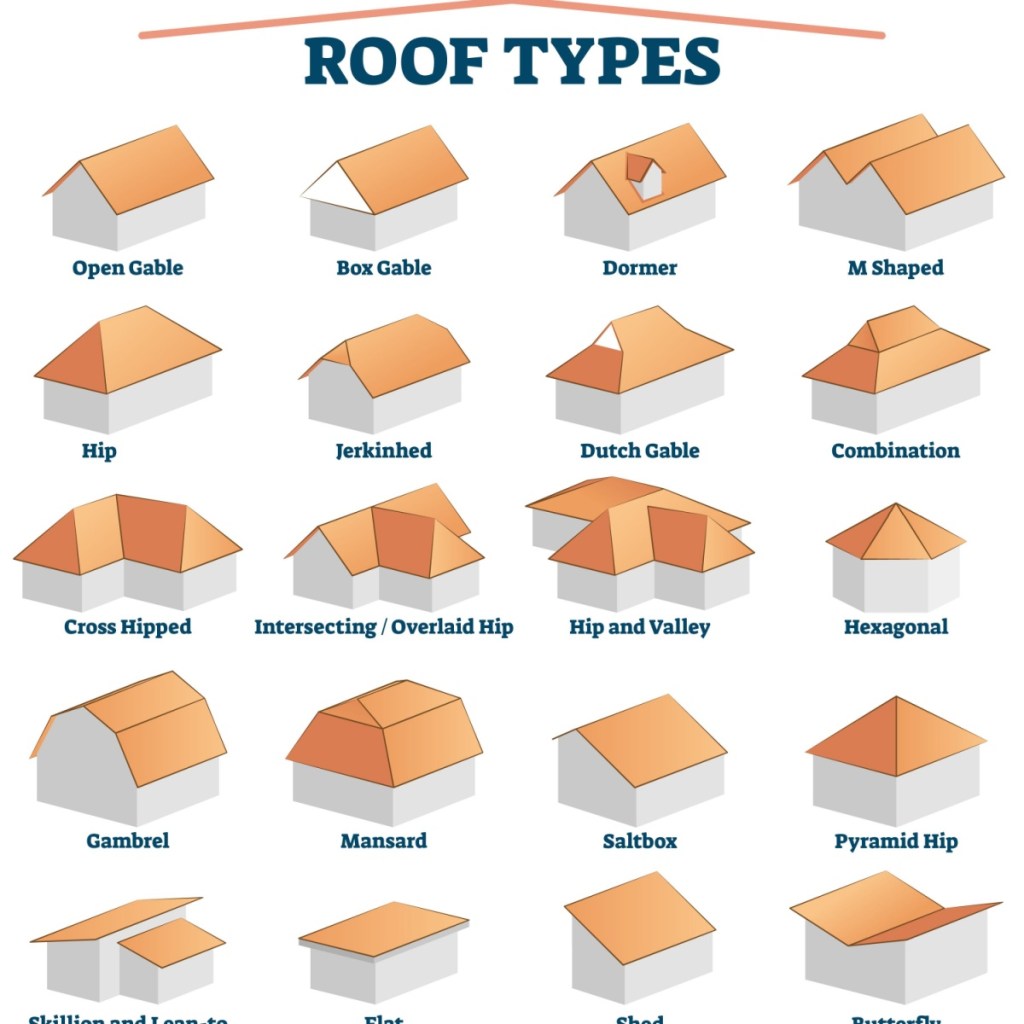
- Gable Roof
Gable roofs are one of the most popular types due to their simple design and effectiveness in shedding water and snow. Characterized by two sloping sides that meet at a ridge, gable roofs are ideal for areas with heavy rainfall or snowfall.
- Hip Roof
A hip roof features slopes on all four sides that converge at the top, creating a more stable structure. This type of roof is great for windy areas, as its design reduces wind resistance.
- Flat Roof
As the name suggests, flat roofs have little to no pitch. They are commonly found on commercial buildings and modern residences. While they provide additional outdoor space, flat roofs require careful drainage planning to prevent water accumulation.
- Mansard Roof
The mansard roof is a French-inspired design with two slopes on each side, with the lower slope being steeper than the upper. This style allows for extra living space in the attic, making it a popular choice for homeowners looking to maximize their square footage.
- Shed Roof
Shed roofs have a single sloping surface, making them ideal for modern and minimalist designs. They are often used for extensions and outbuildings, providing a unique architectural style.
- Butterfly Roof
A butterfly roof is shaped like a butterfly’s wings, with two sloping sides that meet in the middle. This design allows for excellent water drainage and is often used in sustainable architecture to collect rainwater.
How to Calculate Roof Slope
Roof slope is an essential factor in the design and functionality of a roof. It determines how well your roof can shed water and resist snow accumulation. Roof slope is typically expressed as a ratio or a percentage. Here’s how to calculate it:
- Understanding the Rise and Run:
- Rise: This is the vertical distance from the top of the roof to the bottom of the roof (the height).
- Run: This is the horizontal distance from the edge of the roof to the center (the width).
- Calculating the Slope Ratio: The slope is expressed as a ratio of rise to run. For example, if your roof rises 4 feet over a horizontal distance of 12 feet, the slope would be calculated as follows: Slope Ratio=RunRise=124=31 This means for every 3 feet horizontally, the roof rises 1 foot.
- Calculating the Slope Percentage: To convert the slope ratio into a percentage, you can use the formula: Slope Percentage=(RunRise)×100 Using our previous example, the slope percentage would be: (124)×100=33.33%
Conclusion
Choosing the right type of roof and understanding its slope is essential for ensuring the longevity and functionality of your building. Whether you prefer the classic appeal of a gable roof or the modern aesthetic of a shed roof, being informed about your options will help you make the best decision. If you have any questions or need assistance with your roofing project, don’t hesitate to reach out to our team of experts!
By providing this knowledge, we aim to empower our customers to make informed decisions and appreciate the craftsmanship involved in roof construction
 Double J Construction & Roofing
Leave a comment